How Brokerages Can Recruit and Keep Top Agents by Helping Them Win More Listings

The National Association of Realtors counted 1,438,569 members in June 2026, down 1.7% from 1,463,352 a year earlier, according to its 2026 Member Profile.
A shrinking pool means every capable agent has more choices, and every brokerage has to give a better answer to the question recruits keep asking: what will you do to help me get paid?
Commission splits and technology stacks matter, but they’re the easy part to copy. Any competitor can match a split by Friday.
What’s harder to copy is a system that helps agents win listings, because listings are where an agent’s income starts. The brokerages that recruit well, and keep the people they recruit, treat listing support as a product.
This article looks at one practical version of that idea: giving agents better information about property condition, and better ways to help sellers act on it.
It covers pre-listing sewer inspections, curb-appeal upgrades, seller financing options, and how to turn all of it into a credible recruiting pitch.
Why Agent Recruitment Now Hinges on Listing Support
Agents aren’t employees; they’re closer to business partners who rent a platform. The 2026 NAR Member Profile found that 86% of Realtors are independent contractors, and the median tenure with their current firm is six years. That means a recruit can walk at any time, and many do.
So what keeps them? Not logos or office parties. Agents compare what a brokerage gives them to win business, and the clearest test is the listing appointment. An agent who walks into a seller’s living room with a documented plan for the property beats an agent who walks in with a generic market report.
Property condition is the weakest spot in most listing presentations. Sellers know their kitchen is dated, but few know what’s happening in a 50-year-old sewer lateral running under the front lawn.
Visual home inspections don’t cover it, and the surprise usually arrives late in escrow, when the buyer’s inspector orders a scope and finds roots or a collapsed section. Brokerages that build relationships with local sewer camera inspection services give their agents a way to raise that issue before the listing goes live, when the seller still has time and options.
Notice what that does for recruiting. A team leader can say, in plain terms, “Here’s the vendor, here’s the price, here’s how to put the report in your listing package.” That’s a concrete benefit a recruit can picture using in their first month.
It also helps with agents already on the roster. Veterans who feel unsupported are the ones who start taking calls from rival brokerages. Giving them tools that produce visible wins keeps the relationship from turning purely transactional.
The Hidden Deal-Killers: Sewer Lines and Other Unseen Defects

A standard home inspection is mostly visual. The inspector checks what can be seen, touched, and run: roofs, panels, water heaters, visible plumbing. Buried lines sit outside that scope. In homes built before the 1980s, older pipe materials such as clay, cast iron, and Orangeburg (a fiber-and-pitch pipe) are prone to cracking, root intrusion, and sagging.
The economics favor looking early. HomeGuide puts a typical sewer camera inspection at $125 to $500, taking 30 to 60 minutes. Compare that with repair costs. This Old House reports an average sewer line replacement of about $3,320, with a range from $1,390 to $5,320 for typical jobs, and full dig-and-replace projects can reach $8,000 to $30,000 or more depending on depth, length, and landscaping. Standard homeowner’s insurance generally excludes wear-and-tear problems with sewer lines, so the seller usually pays out of pocket either way, as a rule.
Here’s the point agents should absorb. A defect discovered by a seller on day one is a maintenance item. The same defect discovered by a buyer on day twenty is a negotiating weapon. The repair bill might be identical, but the second version comes with a renegotiation, a stressed client, and sometimes a canceled contract.
A realistic example: an agent suggests a scope before photos are scheduled, and the footage shows root intrusion at one joint. The seller gets quotes, chooses between a spot repair and a price credit, and enters the market knowing the number. The buyer’s inspector finds the same thing, but nothing is a surprise, and the conversation is about price rather than trust.
Keep in mind that disclosure rules differ by state and sometimes by municipality. Some places require sellers to disclose known defects, and a scope report becomes a known defect the moment it exists. Agents shouldn’t guess; they should ask their broker or a real estate attorney how the report fits local disclosure requirements. A good brokerage puts that guidance in writing before it asks agents to use the tool.
How Pre-Listing Property Intelligence Wins Listing Presentations

Sellers interview several agents, and most of those agents say similar things. They promise professional photos, aggressive marketing, and a strong price strategy. What separates the winner is evidence that the agent has thought about this specific house.
Pre-listing diligence supplies that evidence. An agent can offer a scope report, a roof assessment, or a quick pest check as part of the listing prep, then show the seller how the findings shape pricing and marketing. The seller sees an agent who protects them from surprises, which is exactly what they hire an agent to do.
A few habits make the approach work:
- Raise condition early. Ask in the first meeting whether the sewer line has ever been scoped, when the roof was last replaced, and whether any additions were permitted.
- Present options, not verdicts. If a problem turns up, show the seller a repair path, a credit path, and a sell-as-is path, with rough costs for each.
- Market what’s been fixed. A repaired line with a transferable warranty is a selling point; mention it in the listing description and the buyer packet.
- Stay honest about limits. Buyers may still order their own inspection, and a clean report doesn’t guarantee a clean second opinion.
The last point matters for credibility. Agents who promise that a pre-listing report will prevent all negotiation lose trust the first time a buyer’s inspector adds a finding. Position the report as a way to reduce unknowns, not eliminate them.
Training matters here too. Many new agents don’t know what to say when a seller asks whether an inspection is worth paying for. A short script, built by the brokerage and rehearsed in role-play, closes that gap. Pair it with our guidance on local expert positioning, where agents learn to share neighborhood-specific knowledge such as typical pipe age, common drainage problems, and which streets have mature trees, content that demonstrates expertise before the first appointment.
Curb Appeal Upgrades Sellers Ask About
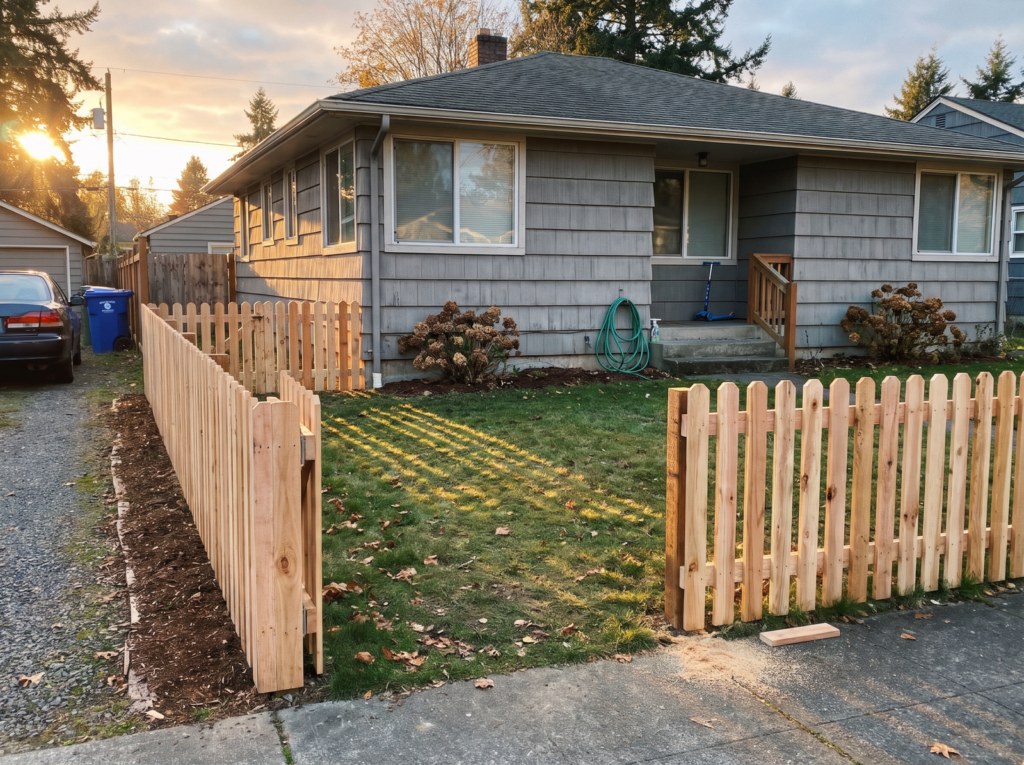
Buyers form an opinion before they step out of the car. The front yard, the driveway, the gate, and the fence are all part of that first impression, and sellers regularly ask their agents which upgrades are worth the money.
Fences are a common question, and the honest answer is that it depends on the lot. Angi’s cost guidance puts the average return on a new fence at roughly 50% of its cost, while some appraisers are more conservative and use 30% to 40%.
Those aren’t precise figures; appraisals rest on comparable sales, and a fence that raises value in a neighborhood of families with dogs and kids may do almost nothing in a neighborhood of open-view lots. Treat any single ROI number as a rough guide, not a promise.
That uncertainty is useful because it shapes how agents should advise. A few principles hold up across markets:
- Fix what’s visibly broken first. A leaning, rotted fence hurts a listing; a plain but sound one rarely does.
- Match the neighborhood. Privacy fencing suits dense suburbs, while low or open styles suit streets known for views.
- Keep materials consistent with the home. A vinyl fence on a historic craftsman can read as a mismatch.
- Don’t overspend. Sellers recoup less when they upgrade beyond what comparable homes offer.
For bigger exterior projects, agents often point sellers toward licensed contractors. If the seller’s remodel plans extend inside the house, our article on choosing a remodeling contractor covers the vetting questions worth asking. Agents shouldn’t recommend a single contractor without offering alternatives, and brokerages should write that into their vendor policy.
Helping Sellers Pay for Pre-Sale Improvements
Advice is cheap; paying for the work is not. Many sellers are cash-tight before closing, especially if they’re also funding a move. A seller who agrees that the fence needs replacing may still say, “I can’t afford that until the house sells.”
Agents aren’t financial advisors and shouldn’t act like them. They can, however, explain that financing options exist and let sellers decide with a qualified professional. The usual routes include paying cash, using a contractor’s payment plan, drawing on home equity, or taking a specialty loan sized for the project. Dedicated fence loans are one example of the last category, and they show up in conversations because project-specific financing can be simpler than refinancing a whole mortgage.
Each route has tradeoffs, and agents should say so. Home equity borrowing can carry lower rates but may involve appraisals and closing costs. Contractor financing is fast but sometimes costs more. Specialty loans vary widely in rates and terms. The seller should compare the annual percentage rate, fees, repayment term, and total cost, then ask whether the expected gain justifies the expense.
Which brings up the most important caution: the return on exterior work isn’t guaranteed. Given the range of fence ROI estimates, a seller who borrows heavily for a modest improvement can end up with less net cash at closing than if they’d skipped it. If the numbers don’t work, the right advice is to leave the fence alone and price the home accordingly.
That kind of restraint builds trust. Sellers remember the agent who talked them out of an unnecessary project, and they refer that agent to friends.
Turning Property Knowledge Into a Recruiting Pitch
Most recruiting pitches sound alike: great culture, competitive splits, strong support. Recruits have heard it all, and they discount it. What they can’t discount is a specific, demonstrable system.
Consider what a brokerage leader can offer when the pitch is built around listing wins:
- A vetted vendor network. Sewer inspectors, home inspectors, stagers, photographers, fence and landscaping contractors, and lenders who handle specialty projects, with pricing and turnaround times published internally.
- A listing-prep checklist. A one-page document agents bring to the first seller meeting, covering condition questions, disclosure reminders, and upgrade priorities.
- Seller conversation scripts. Language for raising a sewer scope, discussing repair options, and explaining financing without overstepping.
- Mentorship. New agents learn faster when someone experienced reviews their listing presentations. Our guide to finding the right mentor explains what recruits should look for, and brokerages that match mentors deliberately reduce early dropout.
- Post-closing follow-up. Listing wins compound when past clients refer new ones, which is why we’ve written about building lasting client relationships after the sale.
Standard recruiting tactics still apply. Referrals from current agents remain one of the best sources of strong candidates, tailored outreach beats mass messages, and a structured 30/60/90-day onboarding plan helps a new hire reach their first listing sooner. The difference is that the pitch now has proof inside it. Instead of promising support, a recruiter can show the checklist and name the vendors.
One caution: don’t oversell. If your brokerage hasn’t built these systems yet, say so and describe the plan. Recruits notice when a pitch promises more than the office can deliver, and the damage to your reputation lasts longer than a lost hire.
Building a Listing-Prep Playbook for Your Brokerage
A playbook turns good intentions into habits. It doesn’t need to be long, but it does need an owner and a review schedule. Here’s a practical sequence for brokerage leaders.
- Vet your vendors. Interview at least two providers in each category, check licensing and insurance, and ask for sample reports. Record turnaround times and pricing so agents can set seller expectations.
- Publish pricing transparently. Agents should be able to tell a seller what a sewer scope usually costs locally before the vendor is called.
- Write the disclosure guidance. Work with your attorney to document how inspection findings and repairs are handled in your state, and update it when rules change.
- Draft the seller scripts. Cover three situations: a clean report, a minor finding, and a major defect. Agents should practice all three.
- Define the financing conversation. Spell out what agents can and can’t say about loans, keep it factual, and direct sellers to licensed lenders for specifics.
- Measure results. Track listing conversion rate, days on market, price reductions, and cancellations after inspection. If a step doesn’t move those numbers, change it.
Be selective about what you track. Dozens of metrics create reporting work without changing behavior. Conversion rate and days on market tell you most of what you need, and the others can be added later.
Also, assign someone to maintain the playbook. A vendor list goes stale quickly; contractors close, prices change, and rules get updated. A quarterly review takes an hour and prevents agents from handing sellers outdated information.
Retention: Keeping Agents Who Win
Recruiting an agent is only half the job, and arguably the cheaper half. The NAR 2026 Member Profile reports that the typical Realtor has 13 years of experience and that 75% are very certain to stay active for at least two more years. Experience pays: median gross income was $59,200 in 2025, rising to $88,500 for agents with 16 or more years in the business.
Those numbers point to a useful conclusion. The agents who earn the most are the ones who stay, and they stay where they’re successful. The typical agent closed nine transaction sides in the survey year, so each additional listing makes a visible difference. Median business expenses were $9,530, which means every dollar saved on vendor discounts or shared marketing counts.
Team structure matters too. About 21% of Realtors work on teams, which average four members. Teams give newer agents leverage, but they also give them a reason to leave if the lead agent keeps the best opportunities. Brokerages can compete by offering team-like support, such as shared checklists and mentorship, without forcing agents into a hierarchy.
Because most agents are independent contractors, the retention strategy can’t rely on control. It has to rely on value. Check in regularly, ask what tools they’d use if they had them, and act on the answers. An agent who sees their requests turned into vendor relationships, scripts, and training will think twice before answering a recruiter’s call.
Conclusion
Recruiting is a value proposition, not a talent contest. Agents choose brokerages that make their work easier and their income more predictable, and nothing demonstrates that better than help winning listings. Property-condition knowledge, honest advice about upgrades, and clear paths for sellers to pay for them give agents a visible edge in the room.
The approach has limits. Inspections don’t prevent every dispute, upgrades don’t guarantee returns, and financing isn’t right for every seller. But a brokerage that admits those limits and still equips its agents with real tools will earn more trust than one that promises everything.
Start small. Pick one vendor category, write one checklist, and run it with a handful of agents for a quarter. If their listing conversions improve, you’ve found your recruiting pitch, and you can prove it.


- Why Agent Recruitment Now Hinges on Listing Support
- The Hidden Deal-Killers: Sewer Lines and Other Unseen Defects
- How Pre-Listing Property Intelligence Wins Listing Presentations
- Curb Appeal Upgrades Sellers Ask About
- Helping Sellers Pay for Pre-Sale Improvements
- Turning Property Knowledge Into a Recruiting Pitch
- Building a Listing-Prep Playbook for Your Brokerage
- Retention: Keeping Agents Who Win
- Conclusion