How Real Estate Agents Build Stronger Client Relationships After Closing?
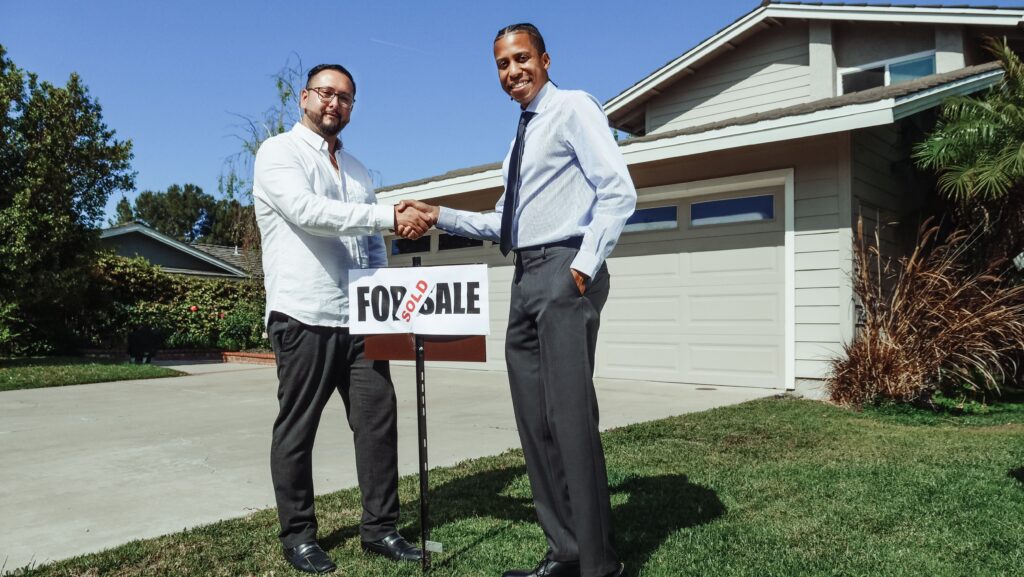
The real estate industry grows on relationships. Many are often under the wrong impression that closing the deal is the finish line. However, experienced real estate professionals know that this is the starting line. It’s from here that one gets a chance at long-term relationship building.
Focusing solely on transactions puts you at risk of being forgotten. However, the real estate agents who stay in touch even after closing become trusted advisors. They create a network of loyal clients who’ll reach out to them when in need.

This article guides how to build strong relationships after closing.
Is It Important to Build Relationships After Closing?
Yes, real estate agents must focus on building relationships after closing. Around 82% of real estate transactions come via referral.
If you build strong relationships, the chances of building relationships grow. Many homeowners lose contact with their agents, but if you focus on building relationships, this wouldn’t be the case.
Some of the key reasons real estate agents must focus on building stronger client relationships after closing include:
- Increase the chances of repeat transactions.
- Strengthen brand credibility.
- Higher referral opportunities.
- Enhance your presence online through reviews and testimonials.
Your clients are your lifelong advocates. Therefore, it’s important to build long-term relationships with them.
How to Build Stronger Relationships After Closing?
Closed the transaction, the deal is done, and that’s all- if you’re thinking along these lines, you’re wrong. Building long-term relationships with clients after closing can bear many benefits.
Here’s how to build these relationships after closing the transaction:
1. Share Home Value Updates
Homeowners or real estate investors always want to understand how their investment is performing. As a real estate agent, if you provide regular home value updates, they’ll stay in touch with you.

Don’t contact your clients only when you need business. But show up frequently to provide essential information like local sales trends, neighbourhood property values, estimated market value changes, and investment opportunities. Help them make informed decisions.
2. Have a Referral Strategy in Place
If you’ve delivered great service, your clients will definitely refer you. However, many real estate agents often do not ask. Create a referral-friendly experience for all.
For example, you can ask them to share their reviews about the experience or maintain regular communication. If they refer you to someone, appreciate their efforts. Additionally, offer exclusive resources to them.
Simple and short referral requests can help you build long-lasting results. Not only are you getting new business, but you’re also strengthening your old relationships.
3. Create a Post-Closing Follow-up Plan
Many agents want to stay in touch with their clients after closing but don’t have a clear plan in place. This is one of the reasons why they can’t build relationships in the long run. Having a clear structure in place ensures that you’re not too overwhelmed.
Regularly stay in touch, asking them about their moving experience, offering local vendor recommendations, and specific home maintenance checklists. In fact, during their homeownership anniversary, you might as well send them thoughtful clients’ gifts and messages.
Consistency is crucial to ensure a strong relationship with clients after closing. Real estate agents are the ones who have helped them with one of the most important purchases of their lives. They’ll surely remember you and stay in touch if you have a proper follow-up plan in place.
4. Offer Them Home Ownership Resources
While you’ve closed the deal, your client is likely to have a lot of questions regarding homeownership. When one is moving to a new property, they may have some queries regarding it. Rather than disappearing after closing, ensure you stay in touch with them.
As a real estate agent, in order to build a long-term relationship with the client, you must become their go-to resource for homeownership. Offer them essentials like:
- Property care tips
- Home maintenance reminders
- Help with home remodeling and renovation
- Tax-related assistance
When these homeowners know that they can rely on you for expert advice, they’ll keep coming back to you. Before making any important real estate decisions in the future, they will surely connect with you.
5. Have a Trusted Vendor Network
As a real estate agent, you must have a strong vendor network so as to assist your clients when they need these services. New as well as old homeowners often need help from local professionals.
As a real estate agent, if you’re able to provide your clients with the help they need, it will help to build a strong foundation post-closing. Usually, these homeowners need services from plumbers, electricians, home cleaning services, interior designers, moving companies, and landscaping professionals.
Since you’re their real estate agent, the customers are likely to trust your recommendations over others. Providing reliable recommendations to your customers helps to strengthen trust and position you as a trustworthy agent.
6. Host Client Appreciation Events
After you’ve closed deals with multiple clients, why not hold a small appreciation event for all of them? These small yet thoughtful gestures often make your clients feel valued. It also paves the way for personal interactions with clients, which definitely strengthens relationships in the long run.

Community meetups, festival celebrations, networking events, or appreciation gatherings are some of the key events you can hold. Ensure that you’re inviting all your customers to keep up with networking.
These events play an important role in strengthening brand awareness. As you create a deeper local connection with customers, the chances of getting more referrals increase. When your clients bring in more people to such events, they’re likely to be their friends, which increases the referral opportunities.
7. Send Personalized Communication
Rather than following a template, have personalized communication for your customers. Even after closing the deal, whenever you send out a communication, personalize it. Compared to generic and template messages, this personalized communication is likely to create a long-lasting impact.
To ensure this, you must keep a note of all the important client details. Know the preferred communication channel of your customers and send them wishes or property updates regularly. Personalized communication shows a sign of genuine care and helps to strengthen emotional connection.
Conclusion
Strong relationships with clients are built after you’ve closed the deal, not while you’re closing it. How you stay in touch with them and approach them after closing the transaction has a significant impact on relationship building. Rather than ghosting them, stay in constant touch with them and work towards resolving any issues that they may have. Small yet thoughtful efforts go a long way in relationship building.