The Strategic Evolution of the Modern Workspace
The global corporate landscape is changing, and the physical workspace is no longer just a background for daily activities but a strategic asset.
As companies switch to hybrid models and raise employee expectations, the priority has shifted from basic utility to creating environments that promote innovation and wellness.
A well-planned renovation is an investment in a company’s most valuable resource: its people.
By incorporating flexible layouts, advanced technology, and human-focused design, organizations can foster a culture of excellence that appeals to both employees and high-value clients.
1. Design as a Brand Statement
Your office is the physical reflection of your corporate identity. When clients or partners walk in, the environment should instantly convey your professional standards.
A modern renovation shifts away from the “cubicle farm” toward a combination of high-quality textures and well-planned spatial flow. Every inch should indicate that your firm values excellence, aligning with the high standards of a global business hub.
2. Prioritizing Wellness and Natural Elements
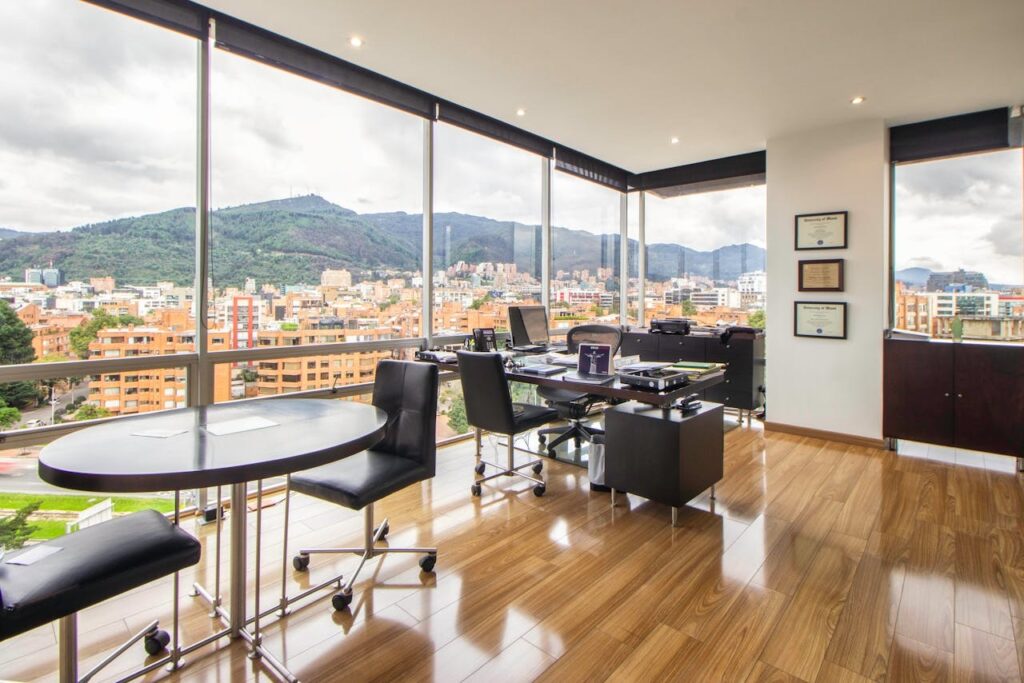
A workspace that neglects human biology can lead to burnout. One of the key changes in office design is adding wellness-focused features. In busy urban areas, replacing solid walls with glass lets natural light reach the center of the floor plan, improving mood.
Also, including biophilic design elements (like living walls or indoor plants) enhances air quality and fosters a calmer, more creative environment.
3. Creating a “Hybrid-Ready” Layout
The “one-size-fits-all” floor plan is outdated. Today’s workforce needs different environments for various tasks throughout the day. A modern renovation should focus on activity-based zones.
- Collaboration Hubs: Open areas for spontaneous brainstorming.
- Quiet Zones: Soundproof pods for deep concentration and private calls.
- Modular Spaces: Moveable walls that allow a single room to serve as both a training center and an event space.
4. Smart Tech Integration and Climate Control
Technology should be seamless and intuitive. A tech-forward renovation involves creating a smart ecosystem that responds to its users.
The scope and priorities of a project often depend heavily on the country and location where a company is established.
For example, in a high-temperature climate, an office renovation in Dubai requires a focus on temperature and light control.
Incorporating automated shading and smart HVAC systems ensures the interior stays a comfortable refuge from external heat while greatly reducing energy costs.
Additionally, IoT sensors can collect data on how the office is actually used, helping leadership identify underused areas and adapt the layout as needed.
5. Managing the “Invisible” Factors: Acoustics
One of the most common complaints in open-plan offices is noise. While collaboration is important, constant distractions reduce productivity.
Strategic acoustic solutions, such as sound-absorbing ceiling baffles and “white noise” systems, can reduce noise without needing isolating walls. This balance creates a lively atmosphere where people can still find the mental “quiet” needed for complex tasks.
6. The Long-Term ROI
While a major remodel demands an initial investment, the benefits are visible in several areas:
- Retention: Employees are more likely to stay in an inspiring, high-quality work environment.
- Efficiency: Upgrading to LED lighting and smart climate systems lowers long-term operational overhead, which is essential for large-scale commercial spaces.
- Asset Value: A modernized office increases the real estate’s overall value, attracting higher-tier talent and international clientele.
An office renovation is more than just a cosmetic update; it’s a commitment to your company’s future.
By focusing on flexibility, employee well-being, and smart technology, you create a space that doesn’t merely house a business but actively supports its growth.
Whether you’re aiming to impress high-value clients or empower your internal team, a thoughtful redesign acts as a bridge between your current operations and future success.